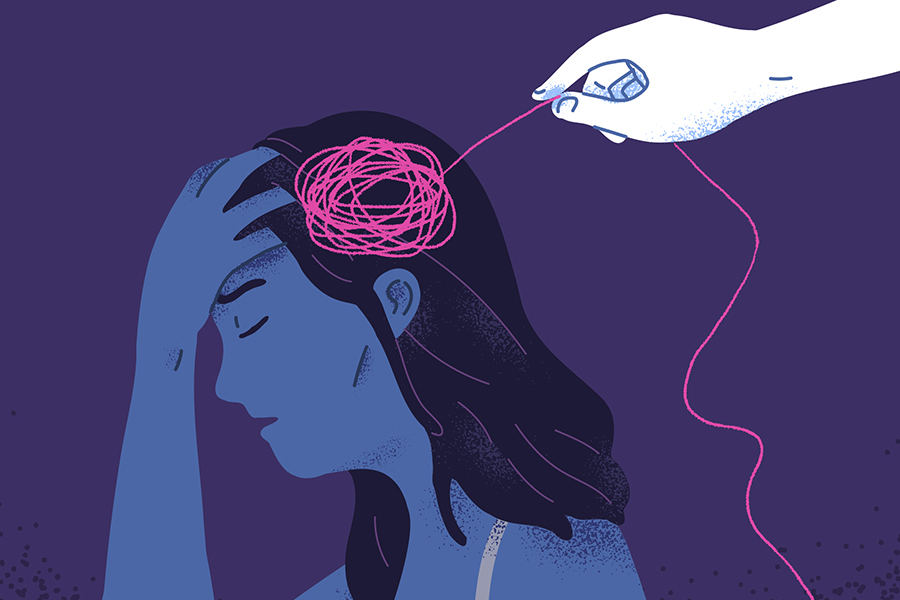
Psychological abuse, often called emotional abuse, is a form of mistreatment that harms an individual's emotional health and well-being. While it might not leave physical scars, it can leave deep emotional wounds, leading to long-term mental health issues, low self-esteem, and even post-traumatic stress disorder. Understanding the signs of psychological abuse is critical in recognizing it either in our own relationships or when observed among others.
What is Psychological Abuse?
Psychological abuse involves a person's attempts to frighten, control, or isolate their victim. It's a pattern of behavior intended to make the victim doubt their thoughts, feelings, and perceptions. Often, it's about power and control, and it can occur in any type of relationship — familial, romantic, friendship, or professional.
Signs of Psychological Abuse:
- Belittling and Criticism:
A clear sign of emotional abuse is the constant belittling or nitpicking by the abuser. They might make fun of, criticize, or demean the victim's thoughts, feelings, choices, or physical appearance.
- Gaslighting:
Gaslighting is a manipulative tactic where the abuser tries to make the victim doubt their memory, perception, or reality. They might claim events didn't happen, or even accuse the victim of fabricating events or feelings.
- Control and Dominance:
The abuser may try to exert control over various aspects of the victim's life, such as their friendships, finances, or daily activities. They might make decisions on behalf of the victim or limit their autonomy.
- Isolation:
An abuser may work to cut the victim off from friends, family, and other support systems. They might create situations or narratives that make the victim feel that no one else can be trusted.
- Threats and Intimidation:
This might involve threats of physical harm, threats to harm oneself, or threats to take away something important or valuable to the victim.
- Withholding:
The abuser may withhold affection, money, resources, or even basic necessities as a means of control.
- Trivializing:
They may belittle or dismiss the victim’s feelings, desires, or achievements, making them feel that they're overreacting or that their feelings are invalid.
- Blaming and Shaming:
Consistently putting the blame on the victim, even for the abuser's own mistakes or misbehavior, can be a sign of emotional abuse.
- Stonewalling:
This refers to the abuser's refusal to communicate, shutting down conversations or avoiding addressing the victim's concerns.
- Monitoring and Stalking:
Excessively checking the victim’s whereabouts, reading their messages, or following them without consent can be signs of psychological abuse.
What Can You Do?
Self-awareness: If you recognize these signs in your relationship or someone else's, it's essential to trust your instincts. Psychological abuse can be subtle, making it important to pay attention to how you feel.
Seek Help: Talk to trusted friends, family members, or professionals about your concerns. They can offer support, perspective, and resources.
Limit Contact: If possible, create boundaries or limit contact with the abuser.
Professional Assistance: Consider seeking therapy or counseling. Professionals can provide coping strategies and resources for those dealing with emotional abuse.
Psychological abuse is insidious and damaging. Recognizing its signs is the first step towards addressing the issue and seeking the necessary help and support. Everyone deserves a life free from abuse, marked by respect and understanding.