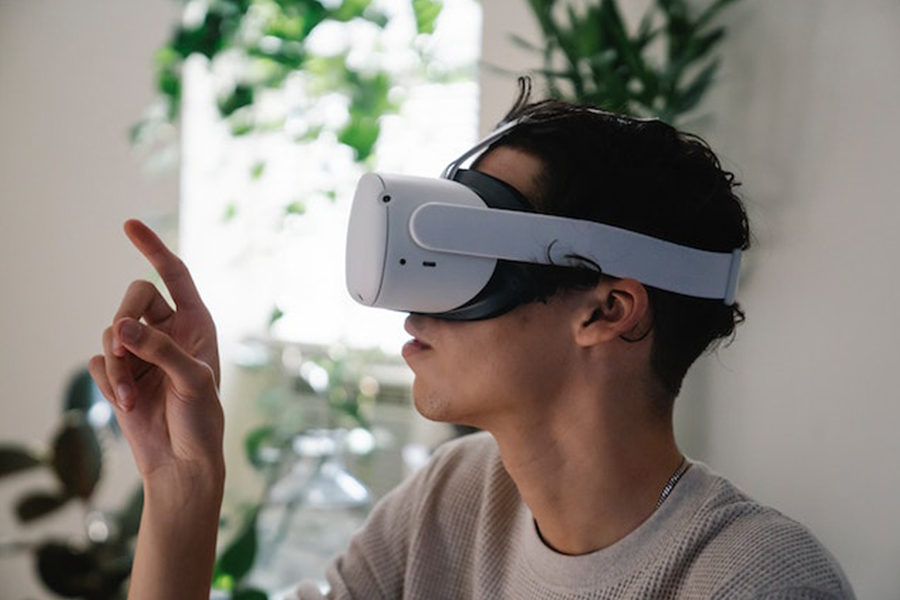
Embracing the New Reality
The wave of technology has brought with it an innovation that threatens to revolutionize our world as we know it - virtual reality (VR). Going beyond the scope of providing immersive gaming experiences, VR promises to alter the dynamics of our social interactions and interpersonal relationships. Here, we delve into how this cutting-edge technology might reshape human connections.
Revamping Communication: From Physical to Virtual
One of the key transformations propelled by VR lies in the realm of communication. With VR, we have the potential to construct and personalize our own virtual avatars, transcending physical barriers to interact with others in a digitally designed universe. The advent of this technology broadens the horizons of our social networks, giving us opportunities to foster connections across geographical and cultural divides.
However, the flipside of this promising advancement is the looming danger of replacing tangible, real-life relationships with virtual ones. It is essential to recognize this risk and balance our online interactions to ensure we maintain our emotional health and social well-being.
The Empathy Effect: Understanding Through Experiencing
A significant, and often overlooked, impact of VR is its ability to foster empathy. By immersing us in lifelike simulations, VR enables us to step into others' shoes and view the world from their perspective. This empathetic aspect of VR could bolster our emotional intelligence and improve our ability to connect with people on a deeper level.
Despite these potential benefits, we must be cautious not to substitute genuine human interactions with virtual ones. Authentic emotions and connections remain a cornerstone of our emotional well-being and cannot be replicated entirely within a digital sphere.
Deepening Bonds: Shared Adventures in Virtual Spaces
Beyond communication and empathy, VR opens the doors to shared adventures and experiences, paving the way for relationships to evolve in a whole new dimension. Virtual experiences can supplement real-world interactions and strengthen the bond between individuals.
However, the crucial aspect to remember here is that the basis of any meaningful relationship still lies in the real world. Time, attention, and physical presence cannot be replaced by virtual interactions. While VR can certainly enhance our experiences, it should not become the substitute for real-world intimacy.
Conclusion: Navigating the VR Era with Balance
As we venture into the era of virtual reality, we are presented with innovative modes of communication, unique empathy-building tools, and novel ways to connect. However, amidst these exciting possibilities, the importance of real-life interactions, emotional connections, and human presence cannot be understated. VR should ideally serve as a tool that amplifies our capabilities and experiences, rather than becoming a replacement for our reality and human interactions.