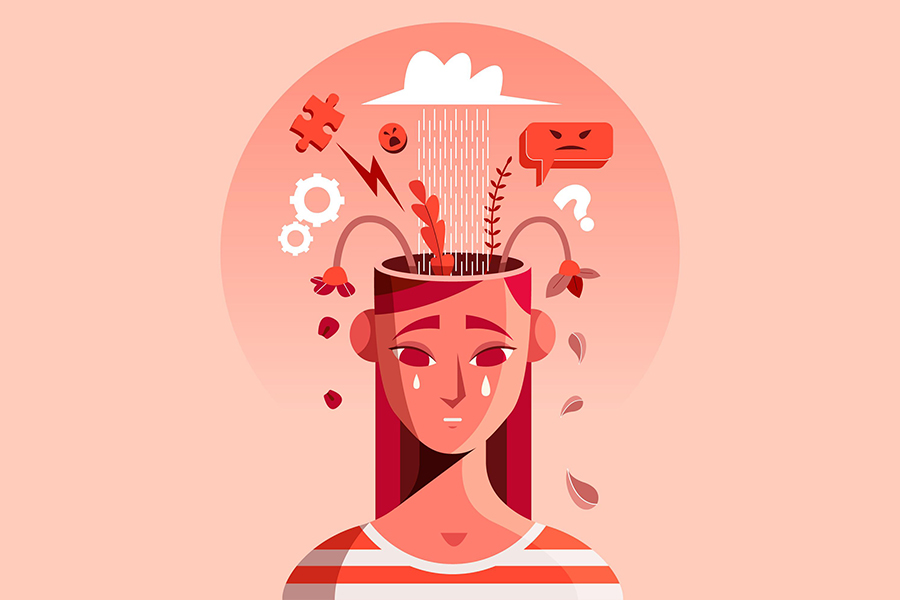
In our day-to-day lives, we encounter a range of behaviors, some of which we might label as 'strange' or 'unusual.' But when does unusual behavior shift from being just peculiar to being indicative of a deeper psychological problem? This article delves into the realms of abnormal psychology and psychopathology to elucidate the difference between abnormal behavior and a psychological disorder.
Abnormal Psychology
At its core, abnormal psychology is the study of behaviors, emotions, and thoughts that deviate significantly from societal norms or what we consider 'typical' behavior. It seeks to understand the underlying causes of these deviations, which can range from temporary stress-induced behaviors to long-term disorders. However, not every deviation is pathological. Abnormal behavior can be transient, situational, and sometimes even adaptive.
Psychopathology
While abnormal psychology focuses on deviations from the norm, psychopathology zeroes in on the study of mental disorders. It explores the origins, symptoms, and manifestations of psychological disorders, seeking to classify them based on patterns and commonalities. Psychopathology aims to determine the underlying causes of these disorders, be they biological, environmental, or a mix of both.
Characteristics Indicating Abnormal Behavior
It's important to recognize that 'abnormal' doesn't necessarily mean 'bad' or 'unwanted.' Here are some characteristics that might point toward a behavior being abnormal:
Statistical Rarity: If very few people engage in a particular behavior, it may be considered abnormal. However, just because something is rare doesn't make it dysfunctional.
Violation of Social Norms: Behaviors that deviate from societal expectations may be labeled as abnormal. However, these norms can vary widely across cultures and time periods.
Personal Distress: When behavior causes significant personal anguish or distress, it might be considered abnormal.
Maladaptiveness: If a behavior hinders a person's ability to function or adapt in their environment, it might be abnormal.
Characteristics Indicating Psychological Disorders
A psychological disorder is not just a single unusual act or belief. Instead, it usually involves a pattern of behavior or symptoms. Here are some indicators:
Duration: While everyone can have an 'off' day or two, disorders tend to manifest symptoms that last for extended periods.
Dysfunction: Psychological disorders typically interfere with daily functioning, making it difficult for individuals to maintain jobs, relationships, or carry out daily activities.
Distress: Beyond just personal distress, psychological disorders might cause distress to others around the affected individual.
Deviance: This involves not just deviation from societal norms but also from biological function. For instance, hallucinations might be seen as a deviance from typical brain function.
Unexpectedness: Some reactions are expected given certain life circumstances. For instance, feeling sad after a loss is typical. However, if one were to feel extremely elated after a tragic event, it might be unexpected and an indication of a disorder.
In Conclusion
Understanding the difference between abnormal behavior and a psychological disorder is crucial. While abnormal behavior may be benign or even advantageous in some contexts, psychological disorders often indicate a deeper problem requiring intervention. Both fields—abnormal psychology and psychopathology—offer invaluable insights into the vast spectrum of human behaviors and conditions, helping professionals provide the necessary care and understanding to those in need.